
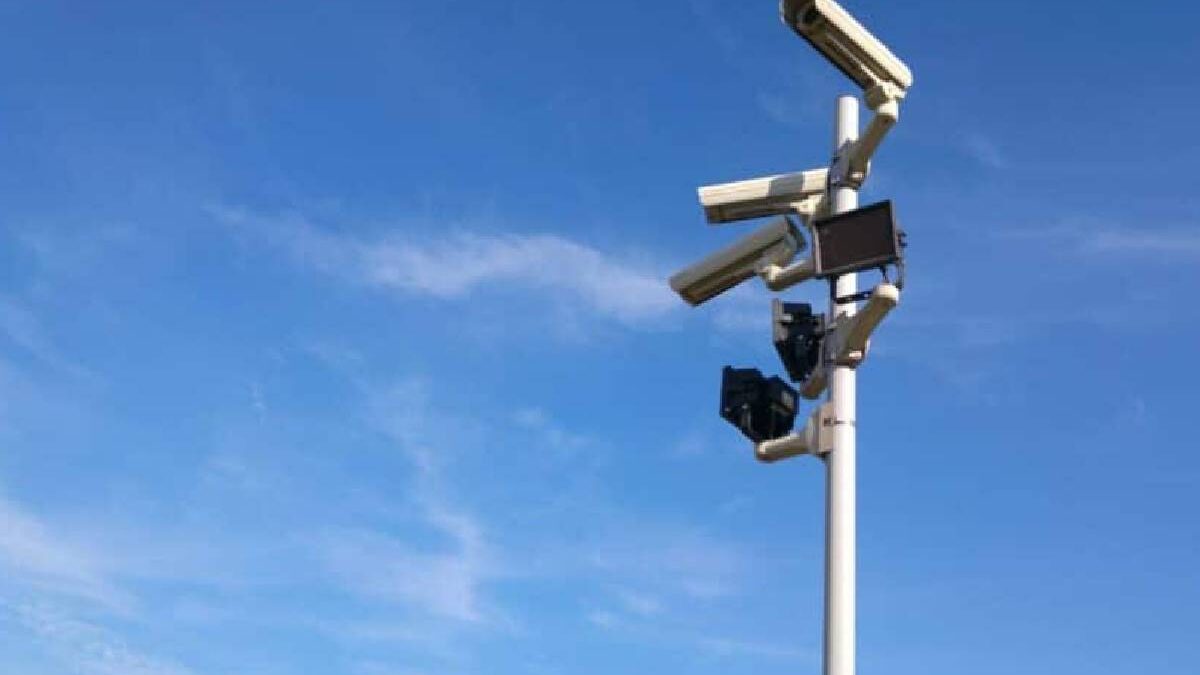
Video Surveillance – Today, gun violence, bullying, and natural disasters are top concerns for schools across the world. In the event of an emergency, every second counts, and a well-coordinated response can mean the difference between life and death. Manufacturers of video surveillance systems such as LawMate have responded to the demand for improved school safety with cutting-edge technology that can help schools respond quickly and effectively to a variety of emergencies.
When it comes to emergency response, time is of the essence. A video surveillance system can give school administrators and law enforcement a real-time look at what is happening inside the school, so they can make informed decisions about the best way to respond.
Below are three ways that video surveillance can improve school emergency response.
Table of Contents
Detect Suspicious Behavior
Disaster preparedness is not just about responding to an incident after it has already happened. It is also about preventing incidents from happening in the first place. Video surveillance can help school administrators and security personnel detect suspicious behavior that may be a precursor to a violent act.
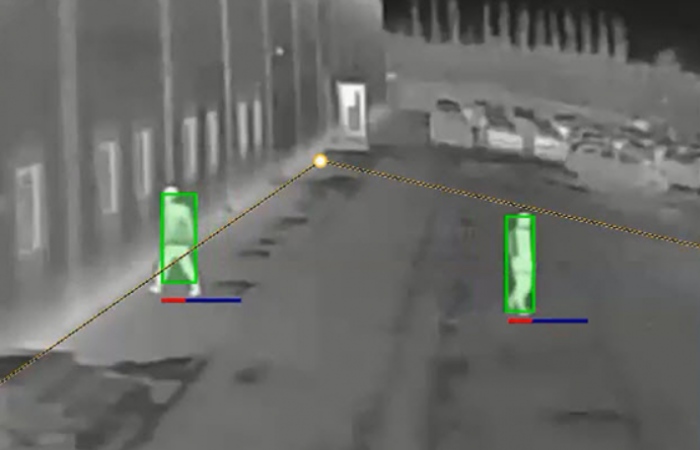
For example, if a student loitering in a hallway or going into classrooms that they don’t have a reason to live in, that behavior can detect and addressed before it escalates into something more serious.
Similarly, if a student is carrying a weapon on school property, that can also be detected and the appropriate authorities can be notified.
As schools increasingly rely on connected devices and digital communication systems, understanding Bluetooth-based phone hacking techniques can help staff recognize wireless security risks and take appropriate precautions to protect school devices.
Improve Evacuation Procedures
In the event of a fire or other emergency requiring evacuation, video surveillance can monitor the situation and direct students and staff to the safest exit route.
For example, if there live a fire in a school building, the school’s video surveillance system can use to see which areas of the building are affected and which exit routes are clear.
This information can then relayed to students and staff, so they can evacuate the building in an orderly and efficient manner.
Provide Real-Time Information
A video surveillance system can provide law enforcement with real-time information about what is happening inside a school during an emergency. This can help determine how to best respond to the situation and ensure the safety of everyone involved.
Schools must also consider broader cybersecurity threats that could affect interconnected systems, and exploring how hackers can penetrate an entire country provides useful context about the potential impact of large-scale cyberattacks on critical infrastructure.
Coordinate Response Efforts
A well-coordinated response is essential to effectively respond to any emergency. Video surveillance can help law enforcement and school officials coordinate their response efforts by providing a clear picture of the situation unfolding. The ability to see what is happening in real-time can help school officials make quick and informed decisions about the best course of action.
In addition to physical security measures, schools should protect their computer systems against malicious software by learning how to detect and eradicate malware from their systems and reduce the risk of compromised devices disrupting emergency communications.
Enhance post-incident investigations
If an incident does occur, video footage from a surveillance system can be invaluable in conducting a thorough investigation. Video footage can help identify suspects and witnesses, as well as provide information about the events leading up to and during the incident.
Schools should work with law enforcement and security experts to determine the best way to use video surveillance to improve their emergency response procedures. By taking advantage of the latest technology, schools can create a safer environment for students, staff, and visitors.

Afiya Jafar
Afiya Jafar is a technology, AI and digital trends writer at Digital Tech Spot. She focuses on making technology topics easier to understand through clear, informative and reader-focused content covering artificial intelligence, software, applications, digital tools and emerging technologies.

Sameena Begum
Sameena Begum is a technology and digital content reviewer at Digital Tech Spot. She reviews selected articles with attention to clarity, organisation, consistency, factual presentation and overall reader usefulness.