
Table of Contents
Introduction
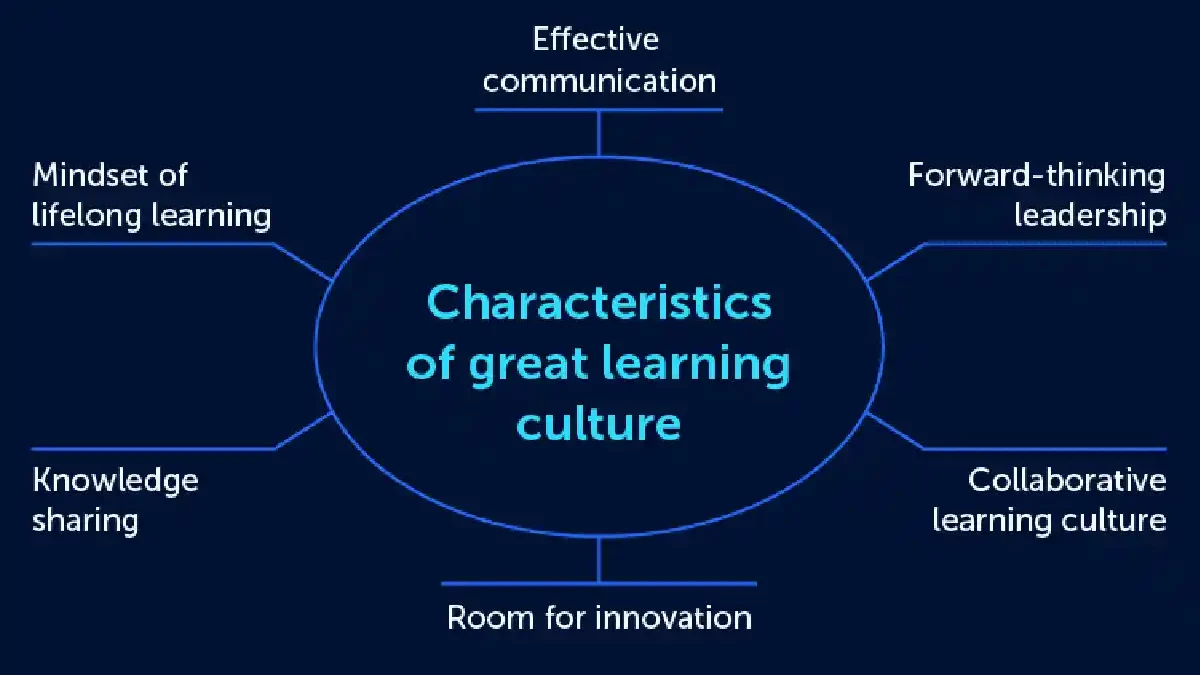
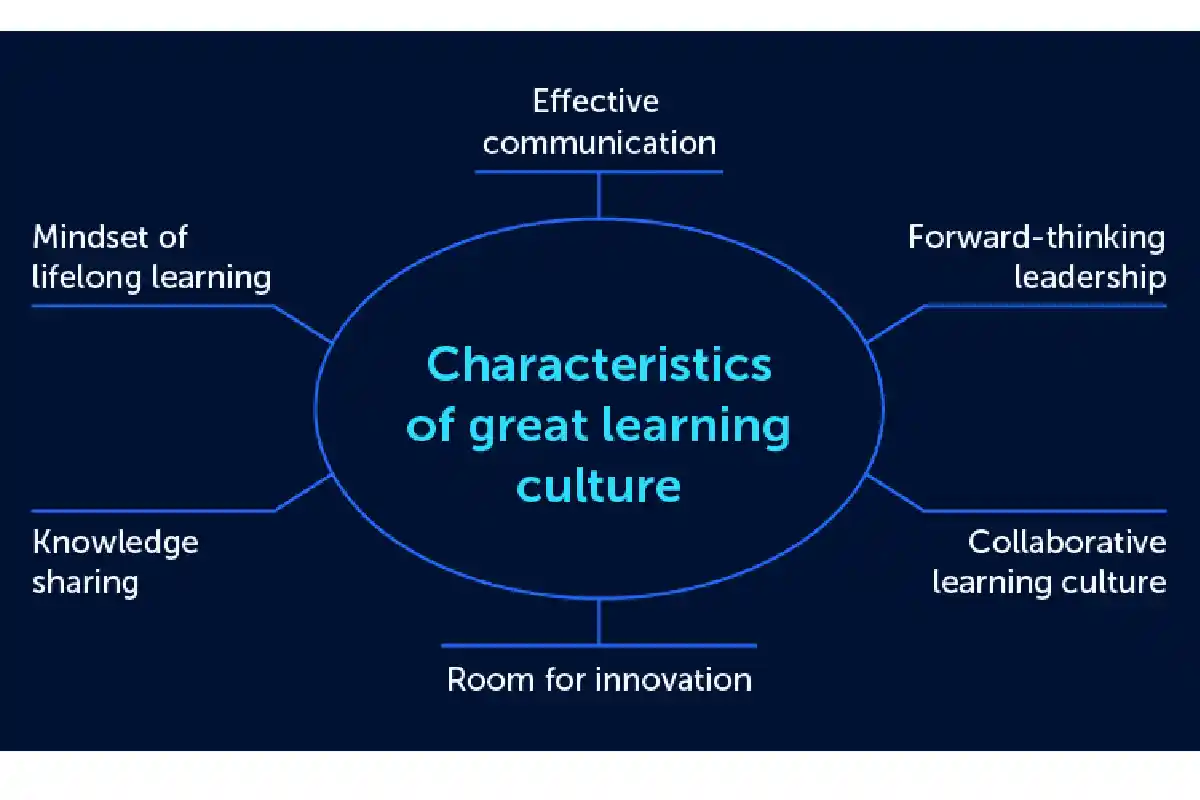
Here are some tips for Entrepreneurs to Create A Learning Culture at Work. Promoting a learning culture has become a competitive necessity. The facts speak for themselves. Enterprises with these environments are 37% more productive than their counterparts and are 92% more likely to innovate. So it is no surprise that organizations invest heavily in worker education. Global spending on workers’ learning culture exceeded $360 billion in 2018.
However, many companies, organizations, and entrepreneurs struggle to create successful learning environments. About three-quarters of managers have expressed dissatisfaction with their talent development programs. Workers have reported using only 12% of what they have learned. Uninspiring training costs companies a lot of time and money, and sometimes their employees.
Start By Hiring People With A Growth Mentality.
According to carol duck, a Stanford psychologist, people with a growth mentality see that ability to grow is flexible and not stable, constantly working to improve themselves, and quickly looking for opportunities for development, who are resourceful when faced with challenges and lose when failing, in other words, are ideal partners in developing a learning culture in your work.
You must know that talent development begins to gain, so hiring curious and evolving staff will create a future learning audience.
Jeff Bezos presented a range of questions to ask before making recruitment decisions:
Are we going to respect this guy?
Will this person increase the efficiency of the group he joins?
How far is this guy going to be a star?
Follow the top-down learning model.
Entrepreneurs can strengthen their competitive advantage by embracing digital transformation, using modern tools to automate routine tasks, improve customer experiences, and make data-driven business decisions.
Managers are quick to point out the value of employees’ educational development. Still, they are less likely to embrace self-education, so this needs to be changed to inspire their employees or keep up with the competitive environment behind the company’s doors, and in this context, consider adopting these practices:
Share your reading lists.
Engage in learning opportunities with your employees.
Face new challenges and track your progress.
Be more positive with feedback.
Share failures, improvements, and what you’ve learned.
Devote Your Time To Develop to be a Good Entrepreneurs
It’s easy to say you’re interested in professional development, but devoting time to it is another matter, as companies that make learning culture part of their business model find that growth occurs naturally at work. Learning is evaluated, tracked and rewarded in these workspaces. And also, employees stick to it.
Make Meaningful Remarks Entrepreneurs
Without constructive criticism, learning becomes impossible. Unfortunately, 26% of employees don’t feel that their feedback helps them do a better job; the days are gone when managers can point to someone doing the right thing or wrong. If managers want to grow, they have to provide more guidance.
The feedback that promotes learning can take many forms but usually involves focusing on improvement.
What can an employee do differently next time? How will the manager provide more support?
Good feedback comes with steps to help implement the required changes, and great feedback drives improvement and progress tracking. Now that’s the smart step.
Workforce training has become necessary for growth in today’s rapidly changing world. Most corporations are aware of this, but few do so well; successful companies offer educational programs and create a culture of learning that affects day-to-day operations.
Conclusion
Therefore, many companies, organizations, and entrepreneurs struggle to create successful learning environments. About three-quarters of managers have expressed disapproval with their talent development plans. Workers have reported using only 12% of what they have learned. And also, uneventful training costs companies a lot of time, money, and sometimes their workers.
Protecting company assets is essential for sustainable growth, so entrepreneurs should learn practical ways of safeguarding their business against potential threats through cybersecurity measures, risk management, and appropriate data protection practices.
Entrepreneurs operating in regulated industries should also understand how regulatory change technology supports compliance by helping businesses monitor evolving requirements, organize compliance processes, and respond to relevant regulatory updates.

Afiya Jafar
Afiya Jafar is a technology, AI and digital trends writer at Digital Tech Spot. She focuses on making technology topics easier to understand through clear, informative and reader-focused content covering artificial intelligence, software, applications, digital tools and emerging technologies.

Sameena Begum
Sameena Begum is a technology and digital content reviewer at Digital Tech Spot. She reviews selected articles with attention to clarity, organisation, consistency, factual presentation and overall reader usefulness.