
Table of Contents
Introduction
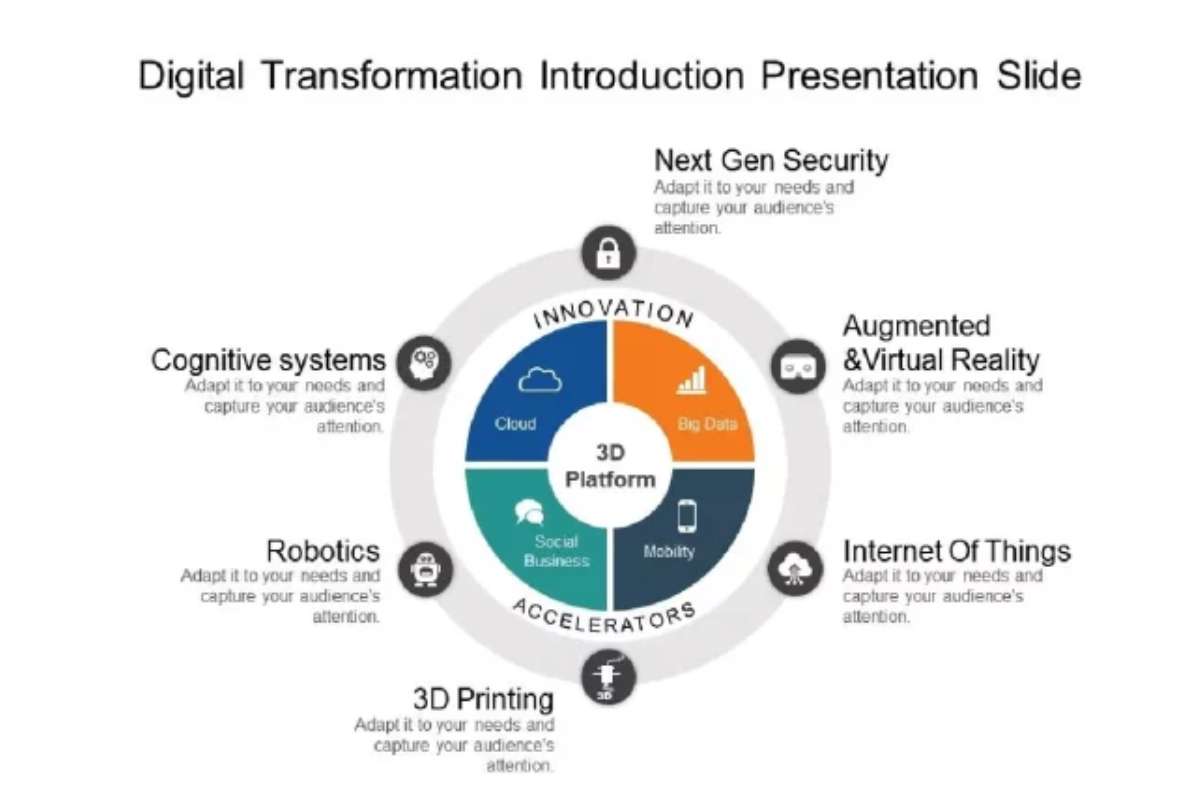
According to Deloitte, “the whole digital transformation is about becoming a digital enterprise – an organization that uses technology to continuously develop all aspects of its business models (what it offers, how it interacts with customers and how it works).”
As technology evolves, your business must evolve as well. in this article. We’ll cover everything from the meaning of digital transformation of organizations to real-life examples and studies of cases to learn from. This range of resources can help you and your Company adapt to technological developments and ultimately change how you do business.
Digital transformation also creates new opportunities for businesses to connect with customers and employees through online experiences. Companies can explore these creative virtual event ideas for businesses to improve engagement and strengthen relationships in a digital environment.
Digital Transformation Overview
“Digital transformation can point to anything from its modernization (e.g., cloud computing), to digital improvement, to the invention of innovative digital business models.”
So, what is the digital transformation of organizations? It’s a process of analyzing customer needs and leveraging technology to improve the end-user experience. End-users can be customers or employees, and many organizations need to consider both views.
Digital transformation is about developing your business with a new technology experience and rethinking your current approach to common issues. Because it has evolved, the modification does not necessarily have a clear endpoint.
MIT Sloan Management Review, a publication focusing on how management is transformed in the digital age, says, “It’s great to think of digital modification as a constant adaptation to an ever-changing environment.”
It means constantly looking for ways to improve the end-user experience for organizations. For example, it can be by providing training, relaying data to cloud services, leveraging artificial intelligence, and more.
Successful digital transformation requires collaboration across departments, supported by clear communication and reliable technology. Businesses can improve coordination by adopting strategies for effective communication with IT teams, helping technical and nontechnical employees work toward shared goals.
Different Types Of Digital Transformation
MIT Sloan Management Review highlights three critical areas of enterprise digital transformation:
Customer Experience: Work to understand customers in more detail, use technology to enhance growth, and create more customer contact points.
Operational Operations: Improve internal processes within the organization by leveraging digitization and automation, enabling employees to use digital tools. And also, collect data to monitor performance and make more strategic decisions.
Business Models: Transform the business from replacing traditional physical offerings with digital tools and services, delivering digital products. And using technology to provide services that go beyond the geographical boundaries imposed by conventional methods.
Human resource management is another area where digital tools can improve organizational efficiency. Understanding how HR technology boosts employee productivity can help businesses automate routine tasks, streamline workforce management, and give employees more time to focus on meaningful work.
Why is Digital Transformation Necessary?
Each digital transformation initiative will have its objectives, but the primary purpose of any digital transformation is to improve your current operations. Digital modification is significant because companies must evolve to remain competitive in their industry. If you’re not changing, you’re likely to find your Company entirely out of competition.
Bain & Company’s study shows that “only 8% of global companies have been able to achieve targeted business results from their digital investments.” Yet, digital modification is essential because it allows organizations to adapt to ever-changing industries and constantly improve their operation.
As organizations adopt new technologies, protecting digital assets and sensitive information becomes increasingly important. Businesses should prioritize cybersecurity, risk management, and operational resilience by following practical approaches to safeguarding their business against potential threats.
Benefits of Digital Transformation
While ROI for digital transformation depends on various factors, appropriate technology can significantly improve how you work. And also, how customers interact.
Increases Productivity and Reduces Labour Costs
Using technology to work more professionally is one of the most effective ways to transform your business. for example, for organizations, the time and money they spend training new employees. And updating digital resources can rapidly get out of hand. With the right tools. You can keep costs low and increase productivity.
Finally, businesses operating in regulated industries must ensure that their digital systems keep pace with changing legal and compliance requirements. Exploring regulatory change technology can help organizations monitor regulatory updates, improve compliance workflows, and reduce the risks associated with outdated processes.
Improving Customer Service and Competition Opportunities
Tech-experienced customers want a great experience with multiple hotspots — mobile apps, social media, email, live chat, etc. Therefore, digital modifications are the driving force behind improving customer experiences.
Your competitors are looking for digital modification regardless of whether you are or not. choosing not to embrace digital modification is basically a report that you don’t mind being left behind.
Digital transformation also creates opportunities for business owners to innovate, improve customer experiences, and identify new revenue streams. Entrepreneurs can build on these opportunities by applying practical tips for entrepreneurs to manage growth, adapt to market changes, and make informed business decisions.

Afiya Jafar
Afiya Jafar is a technology, AI and digital trends writer at Digital Tech Spot. She focuses on making technology topics easier to understand through clear, informative and reader-focused content covering artificial intelligence, software, applications, digital tools and emerging technologies.

Sameena Begum
Sameena Begum is a technology and digital content reviewer at Digital Tech Spot. She reviews selected articles with attention to clarity, organisation, consistency, factual presentation and overall reader usefulness.